
CRA Basics
-

A Guide to Black Duck Software for EU Compliance
At its core, Black Duck software is a powerful security tool that acts like a building inspector for your code. It automates the process of finding, inventorying, and analysing all the third-party and open-source components used in your applications—a process known in the industry as Software Composition Analysis (SCA). What Is Black Duck and How…
-
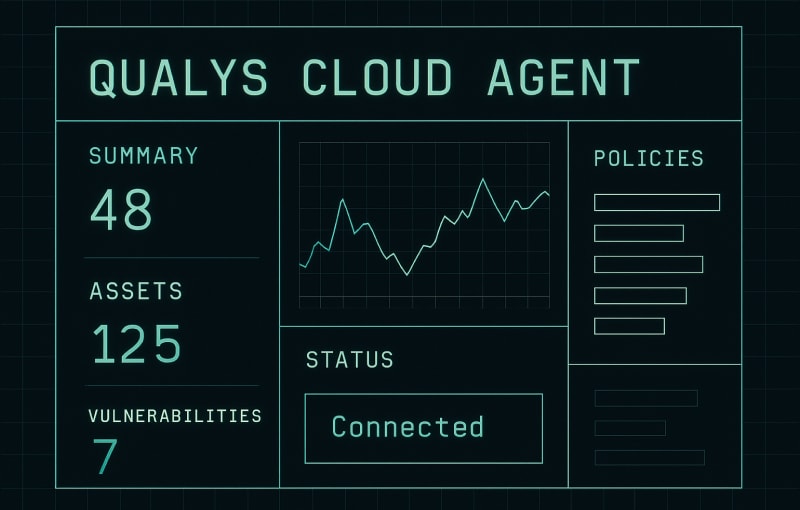
A Guide to the Qualys Cloud Agent for CRA Compliance
The Qualys Cloud Agent is a small, lightweight piece of software you install on your digital products to get continuous security and compliance monitoring. Think of it as a sensor that reports back on vulnerabilities, configurations, and inventory directly to the Qualys Cloud Platform. This gives you constant visibility into the security posture of your…
-
Your Practical OWASP Testing Guide for CRA Compliance in 2026
When you’re talking about web application security testing, the OWASP Testing Guide (OTG) is the framework that everyone builds on. It’s the industry-standard playbook, giving you a complete methodology and practical techniques to find and fix security vulnerabilities. What Is the OWASP Testing Guide The OWASP Testing Guide is essentially a detailed manual for testing…
-
Shift to Left Security for EU CRA Compliance
To put it simply, shift to left is all about moving security and testing to the very beginning of the product development lifecycle, instead of treating them as an afterthought. If you picture the development process as a timeline from left to right, this strategy pulls critical checks from the far right (just before launch)…
-
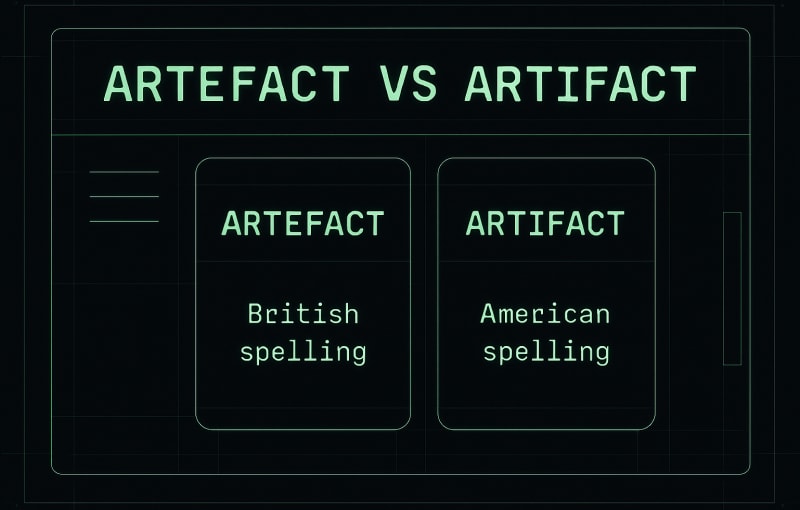
Artefact vs Artifact A Guide for Technical and Compliance Teams
When it comes to artefact vs artifact, the core of the issue isn’t about meaning—it’s about geography. The two words mean the exact same thing, but their spelling signals a regional preference. Think of it as the technical writing equivalent of “colour” versus “color.” The one you choose says a lot about your intended audience…
-
Master Terraform and Kubernetes with IaC for EKS, GKE, and AKS
When you bring Terraform and Kubernetes together, you create a single, declarative workflow for managing the entire lifecycle of your infrastructure and the applications running on it. This powerful pairing uses Infrastructure as Code (IaC) to automate everything from provisioning a cloud-managed cluster like EKS or GKE to deploying complex workloads, guaranteeing a setup that’s…
-
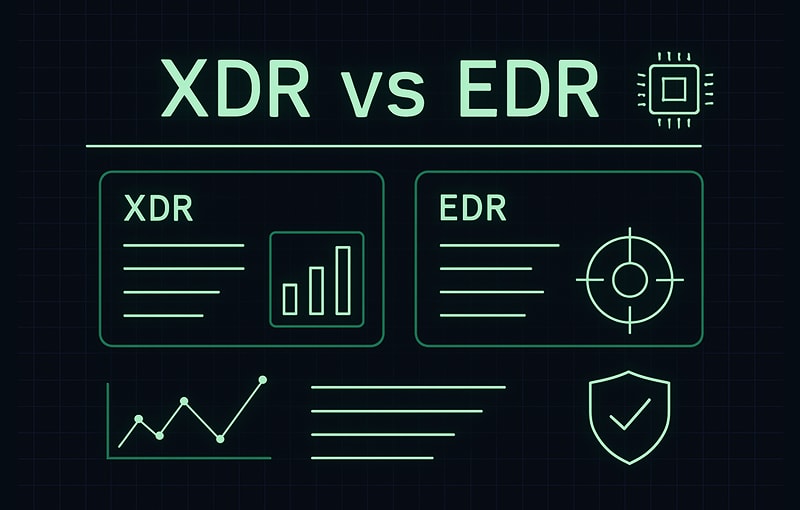
XDR vs EDR: Key Differences for Cyber Resilience (xdr vs edr)
When you get down to it, the difference between XDR and EDR is all about scope. Endpoint Detection and Response (EDR) is like posting a dedicated security guard at each individual device—think of a connected thermostat or a smart factory sensor. It’s hyper-focused on that single asset. In contrast, Extended Detection and Response (XDR) acts…
-
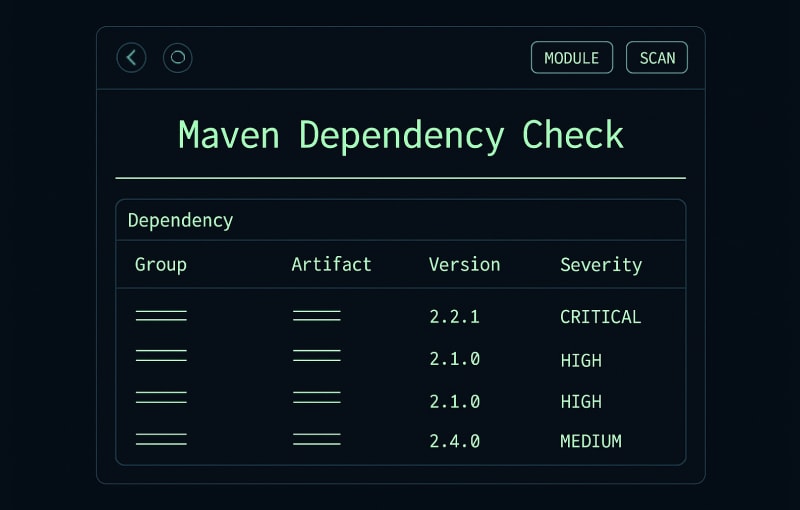
Mastering maven dependency check: A Quick Guide to Secure Builds
A proactive maven dependency check is more than just good practice—it’s a foundational part of securing your software supply chain. At its core, it’s about systematically scanning your project’s third-party libraries for known vulnerabilities, stopping security flaws from ever making their way into your codebase. Why Dependency Management Is a Security Blind Spot Let’s be…
-
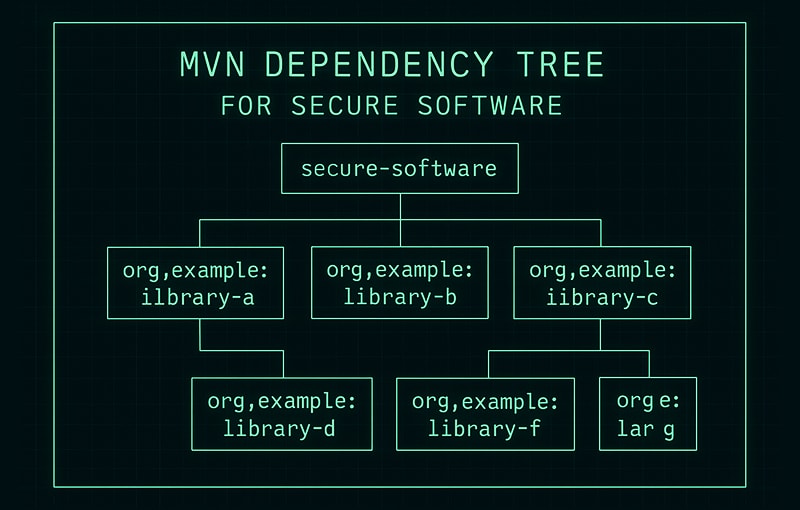
Mastering the Mvn Dependency Tree for Secure Software
When you’re working with Maven, the mvn dependency:tree command is your go-to for getting a complete, hierarchical picture of every library in your project. It doesn’t just show you the dependencies you’ve explicitly declared (direct ones), but also all the other libraries those dependencies pull in (transitive ones). Think of it as a detailed map…
-
Endpoint: endpoint protection services for IoT Cyber Resilience
Endpoint protection services are your dedicated security guard for every single device connected to a network—from a factory sensor to a smart thermostat. They provide the proactive defence and monitoring needed for individual entry points, which is absolutely vital as more and more products become internet-connected. For example, a modern car has over 100 electronic…
-
A Developer’s Guide to Docker RM Container
When you’re done with a Docker container, the docker rm command is your go-to tool for getting rid of it. You can target a container using its unique ID or its Name. Just be aware that Docker has a built-in safety net: it will throw an error if you try to remove a container that’s…
-
Maven vs Gradle Which Build Tool Is Right for Your Project?
The whole Maven vs Gradle debate really boils down to one thing: philosophy. Do you want a build tool that enforces a strict, conventional path using XML, or one that gives you a flexible, programmable toolkit with Groovy or Kotlin? Your answer depends entirely on whether your team values rigid standardisation for its predictability or…
-
Terraform vs CloudFormation A Guide for Manufacturers
The real difference between Terraform and CloudFormation boils down to a single question: Are you all-in on AWS, or do you need to keep your options open? Terraform is a cloud-agnostic tool built for multi-cloud, while CloudFormation is an AWS-native service designed for deep integration within its own ecosystem. Your choice here isn’t just technical—it’s…
-
A Practical Guide to Test SQL Injection for CRA Compliance
Test SQL Injection for CRA Compliance Testing for SQL injection isn’t just a technical best practice anymore; it’s a critical compliance mandate. For manufacturers selling products in the European Union, a single SQL injection (SQLi) flaw can trigger serious regulatory consequences under the Cyber Resilience Act (CRA), making proactive testing a non-negotiable part of your…
-
A Practical Guide to Security by Default for CRA Compliance
Security by default is a simple but powerful idea: the responsibility for making a product secure lies with the manufacturer, not the customer. It means building products to be as tough as possible right out of the box, with the safest settings already switched on. Security isn’t an optional extra; it’s part of the foundation.…
-
Anatomy of a Supply Chain Attack Your Guide to Defense
A supply chain attack is a bit like a Trojan horse, but for the modern digital world. Instead of launching a frontal assault on a well-defended target, attackers get clever. They find a crack in the armour of a trusted third-party supplier, vendor, or software component and slip in unnoticed. For example, instead of trying…
-
A Guide to Check Point Endpoint Security for EU Compliance
Check Point Endpoint Security isn’t just another antivirus program. Think of it as a complete security system for the devices that form the backbone of your operations—laptops, servers, and mobile phones. It provides multiple, overlapping layers of defence, including proactive threat prevention, access control, and data protection, to lock down the entry points into your…
-
A Practical Guide to NIST 800 53 for CRA Compliance
Think of NIST Special Publication 800-53 less like a rigid rulebook and more like an encyclopaedia of security best practices. It’s a massive catalogue of security and privacy controls developed for all U.S. federal information systems, excluding those tangled up in national security. For everyone else, it provides a foundational framework for managing risk and…
-
EU CRA revamp targets high risk vendors: Your Practical Compliance Roadmap
The European Union’s Cyber Resilience Act (CRA) is about to overhaul digital product safety, and its latest version puts high-risk vendors squarely in the spotlight with much stricter rules. If your company makes hardware or software with digital parts for the EU market, this isn’t just another update. It transforms cybersecurity from a “nice-to-have” into…
-
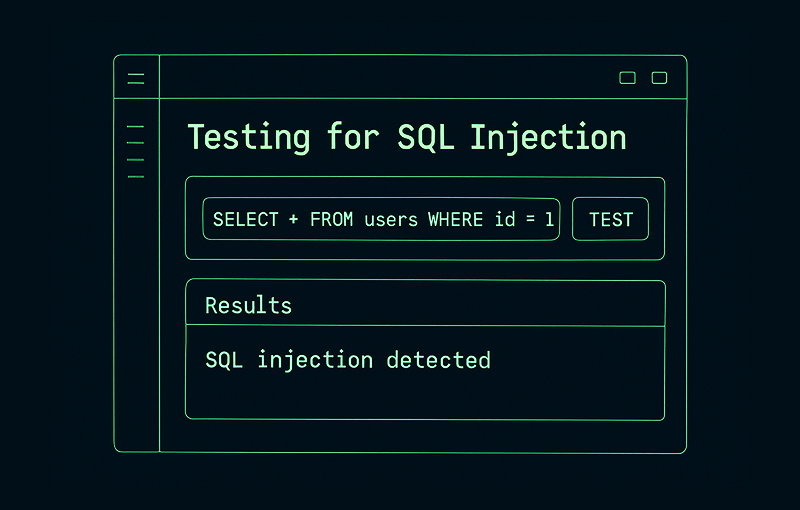
Testing for sql injection: Essential Guide to Secure Your Applications
At its heart, testing for SQL injection is about sending carefully crafted inputs to an application to see if you can trick its database. It’s a hands-on method for finding those dangerous cracks in the armour where an attacker could slip through, bypass security, steal data, or even corrupt your entire database. Proactive, effective testing…


CRA Basics: a practical introduction to the EU Cyber Resilience Act
CRA Basics is a starting point for understanding the EU Cyber Resilience Act (CRA) and what it means for products with digital elements. CRA aims to raise the cybersecurity baseline across the EU by requiring security by design and by default, clearer accountability, and consistent vulnerability handling throughout the product lifecycle.
This page gathers introductory guidance and related posts to help teams quickly understand the fundamentals, identify what is likely in scope, and plan a realistic path toward implementation and ongoing compliance.
What is the CRA in simple terms
The CRA is an EU regulatory framework focused on improving cybersecurity outcomes for products with digital elements placed on the EU market. It encourages organizations to build secure products, ship safer default configurations, and maintain security through updates and vulnerability management over time.
Why CRA Basics matters for product teams
Even a high-level understanding of CRA helps product, engineering, security, and operations teams align early on scope, ownership, documentation needs, and lifecycle responsibilities. Getting the basics right reduces late-stage rework and helps prevent compliance efforts from turning into reactive fire drills.
Key concepts in CRA Basics
These concepts appear repeatedly when translating CRA into engineering and operational practices.
Products with digital elements
CRA is centered on products that include software or digital connectivity. This can include software applications, embedded software, connected devices, and other digital components that may introduce cybersecurity risk.
Security by design
Security by design means planning and implementing cybersecurity controls from the earliest stages of product development, rather than adding them later. It typically includes threat modeling, secure architecture decisions, and preventive engineering controls.
Security by default
Security by default means products should be delivered with secure settings out of the box. Risky defaults such as weak credentials or unnecessary exposed services should be avoided unless there is a controlled and justified need.
Vulnerability handling over the lifecycle
CRA places emphasis on having a structured process to receive vulnerability reports, assess severity and impact, deliver fixes, and communicate updates. Maintaining products through security updates is central to CRA outcomes.
CRA Basics: what to do first
A lightweight starting plan helps you move from awareness to action without creating unnecessary overhead.
Step 1: identify likely scope
- Create a simple inventory of products and versions shipped to the EU market
- Document key components and critical dependencies
- Note major customer deployment models and default configurations
Step 2: assign ownership and roles
- Name a single internal owner for CRA coordination
- Define responsibilities across product, engineering, security, legal, and support
- Establish escalation paths for high-severity vulnerabilities
Step 3: establish foundational controls
- Adopt secure coding and review practices
- Integrate security testing into CI/CD (static, dependency, and where relevant dynamic testing)
- Define a vulnerability intake and triage process with internal SLAs
- Set a security update and supported-version policy
Step 4: start collecting baseline evidence
- Architecture overview and trust boundaries
- Threat model and risk assessment notes
- Security test outputs and remediation tracking
- Documented vulnerability management workflow and communications approach
Related posts and resources for CRA Basics
This section is intended to host beginner-friendly posts that explain CRA concepts and show practical first steps.
Understanding CRA
CRA Basics explained: scope, goals, and who it impacts
An overview of CRA terminology and how to determine whether your products and teams are likely in scope.
Getting started
A CRA Basics checklist for teams: first 30 days
A practical plan for building a product inventory, assigning ownership, and implementing foundational controls quickly.
Engineering foundations
Security by design in practice: the CRA Basics approach
How to integrate threat modeling, secure defaults, and testing into normal delivery workflows.
Vulnerability handling
Vulnerability management for beginners: a CRA Basics playbook
How to set up intake channels, triage rules, remediation SLAs, and customer communications without heavy process.
Evidence and documentation
CRA Basics documentation: what to write down and why
The minimum evidence most teams should keep so CRA-related work remains traceable and defensible over time.
Download free CRA Checklist 2025
The definitive CRA checklist for assessing your organization’s readiness for the Cyber Resilience Act.
By submitting this form, you accept our Terms and acknowledge that Regulus will process your data to send the checklist. For more details, see our Privacy Policy.