
CRA Documentation
-
EU CRA revamp targets high risk vendors: Your Practical Compliance Roadmap
The European Union’s Cyber Resilience Act (CRA) is about to overhaul digital product safety, and its latest version puts high-risk vendors squarely in the spotlight with much stricter rules. If your company makes hardware or software with digital parts for the EU market, this isn’t just another update. It transforms cybersecurity from a “nice-to-have” into…
-
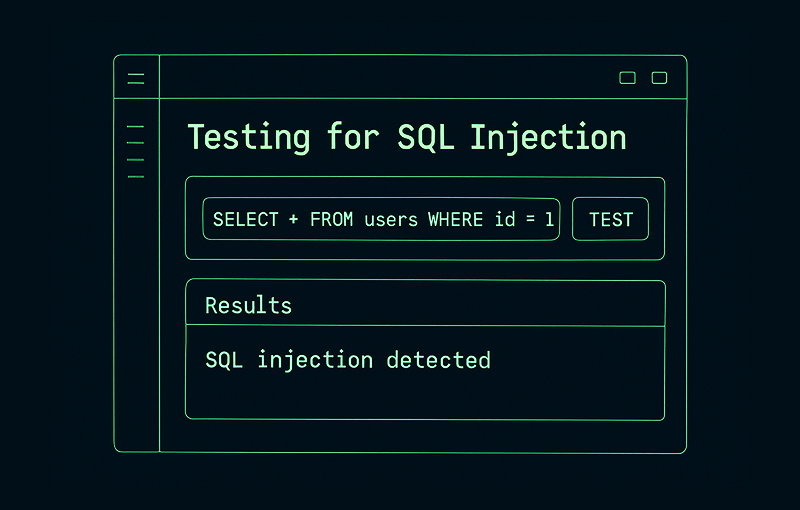
Testing for sql injection: Essential Guide to Secure Your Applications
At its heart, testing for SQL injection is about sending carefully crafted inputs to an application to see if you can trick its database. It’s a hands-on method for finding those dangerous cracks in the armour where an attacker could slip through, bypass security, steal data, or even corrupt your entire database. Proactive, effective testing…
-
How to obtain a CE certificate for the CRA: A practical guide
Getting your product CE certified under the Cyber Resilience Act (CRA) might seem daunting, but it’s a journey with a clear, logical path. This guide is your practical roadmap, designed to turn the CRA’s complex legal requirements into a straightforward, actionable plan for manufacturers. Your Practical Roadmap to CRA CE Certification The Cyber Resilience Act…
-
The Top 12 Firewall Open Source Solutions for 2026
In today’s interconnected environment, securing your network perimeter is non-negotiable. While commercial solutions abound, the firewall open source ecosystem offers powerful, flexible, and transparent alternatives for businesses, home labs, and even complex IoT projects. These community-driven projects provide robust security features without the hefty price tag or vendor lock-in, giving you complete control over your…
-
A Practical Guide to NIST SP 800-53 for EU Compliance
If you’ve spent any time in cybersecurity, you’ve likely come across NIST Special Publication (SP) 800-53. It’s a beast of a document, a massive catalogue of security and privacy controls developed by the U.S. National Institute of Standards and Technology. Although it started life as a framework for American federal agencies, it’s now recognised globally…
-
Your Practical Guide to ISO 27001 ISMS Certification
An ISO 27001 ISMS certification is the official seal of approval showing that your company’s Information Security Management System (ISMS) meets a tough international standard. It’s more than just a certificate; it’s a clear, strategic signal to customers and partners that you take information security seriously and manage risks in a systematic way. Why ISO…
-
A Practical Guide to Open Source Licensing
An open source license isn’t just a file you find in a code repository; it’s the legal agreement that spells out exactly what you can—and absolutely cannot—do with free, publicly available code. Think of it as the rulebook for collaboration, designed to keep innovation flowing while still protecting the rights of the original creators. Why…
-
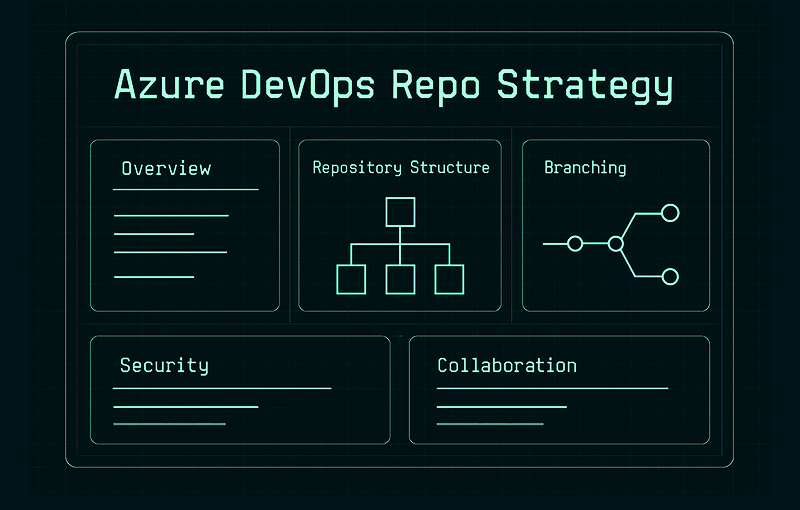
A Guide to Mastering Your Azure DevOps Repo Strategy
An Azure DevOps Repo is a version control system baked right into the Azure DevOps suite, giving your team a central place to manage, track, and collaborate on your codebase. It’s far more than just a folder for your files; it’s a complete toolkit for modern software development that supports both Git and Team Foundation…
-
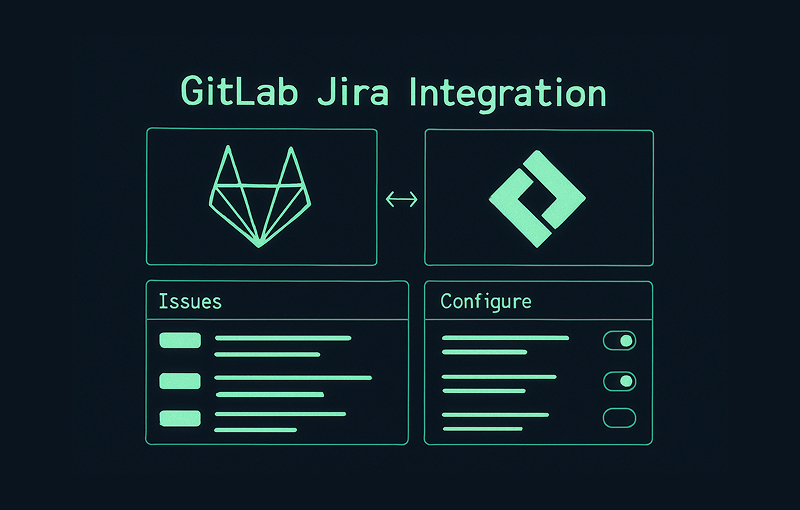
GitLab Jira Integration A Guide to Faster DevSecOps Workflows
Connecting GitLab to Jira does more than just link two tools; it creates a single, unified workflow between your code repository and your project management hub. When you set this up, actions like code commits, creating branches, and opening merge requests can automatically update the right Jira issues. For instance, a developer can push a…
-
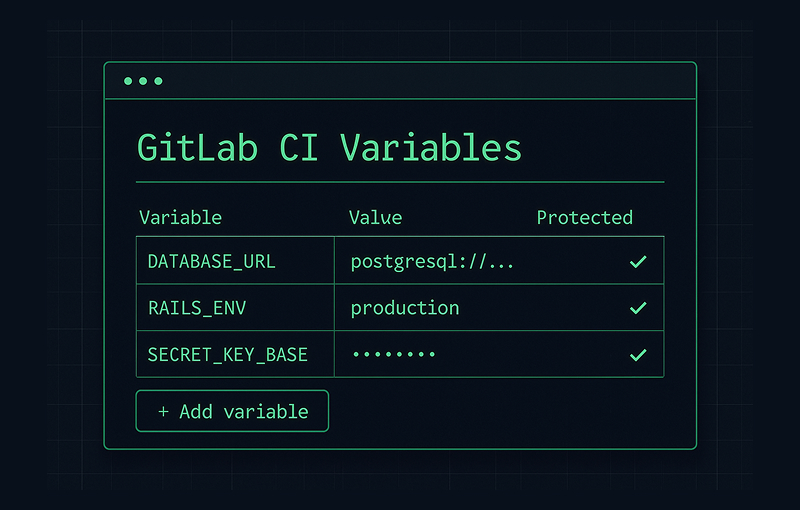
A Guide to GitLab CI Variables for Secure Pipelines
GitLab CI variables are the secret ingredient for building dynamic, secure, and adaptable automation. At their core, they are simply placeholders for information your pipeline needs while it’s running. Think of them as secure digital vaults where you store everything from server passwords to version numbers, keeping your CI/CD process both flexible and safe. Why…
-
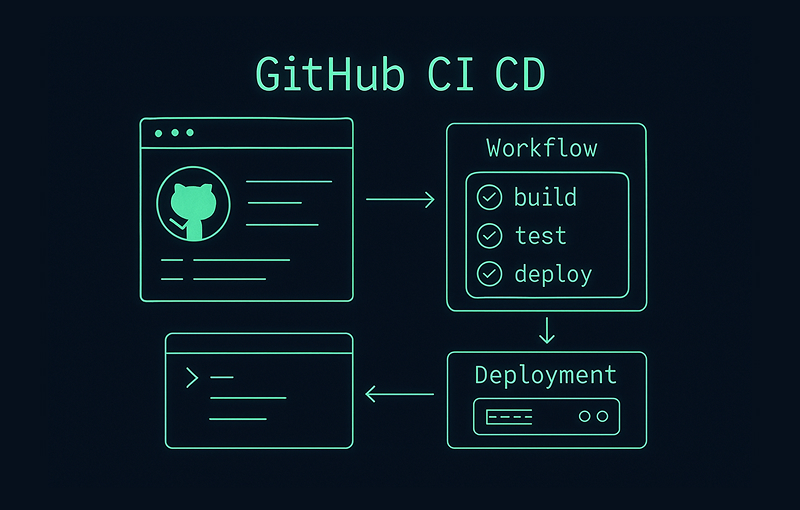
A Practical Guide to GitHub CI CD for Secure Product Development
At its core, GitHub CI/CD is the native, integrated way to automate your software builds, tests, and deployments, all handled directly within your GitHub repository. The feature that powers this is called GitHub Actions. It lets developers cook up custom workflows that kick off automatically based on events like code pushes or new pull requests.…
-
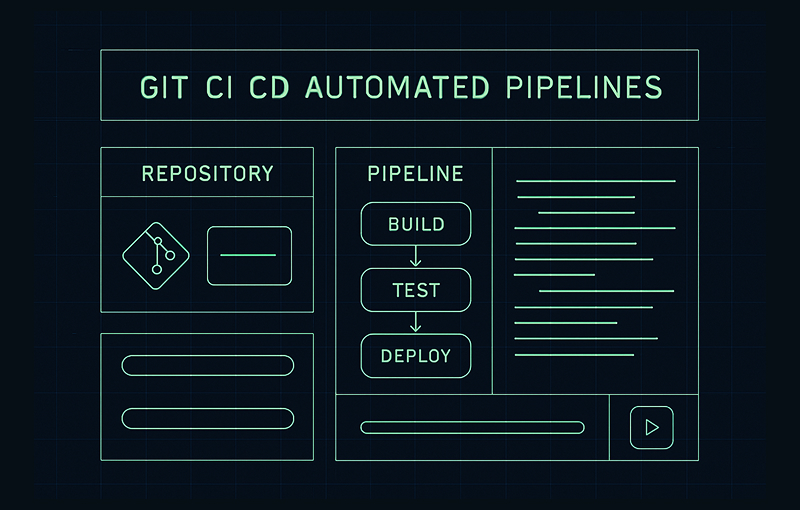
A Practical Guide to Git CI CD Automated Pipelines
When you’re staring down the barrel of modern compliance demands, especially regulations like the European Union’s Cyber Resilience Act (CRA), a Git CI/CD pipeline is your single most powerful ally. It takes what used to be a mountain of manual checklists for building, testing, and deploying software and transforms it into a smooth, auditable, and…
-
Untangling the Maven Dependency Tree for Secure Software
Managing your Maven dependency tree is much more than a build-time convenience; it’s a critical security and compliance function. Don’t think of it as a simple list. See it for what it truly is: the complete architectural blueprint of your software’s supply chain. This blueprint reveals every single component, both direct and inherited, that makes…
-
A Practical Guide to SIEM Open Source for Modern Cybersecurity
An open-source SIEM is a Security Information and Event Management platform built on publicly available source code. This means it’s fundamentally free-to-use—anyone can inspect, modify, and build upon it. It delivers the core functions you’d expect from any SIEM, like log collection, threat detection, and security monitoring, but without the hefty upfront licensing fees that…
-
Pre Commit Hooks for IoT: Elevate Quality and Security (pre commit hooks)
Pre-commit hooks are simple, automated scripts that check your code before you can commit it to a repository. They’re your first line of defence, making sure quality and security standards are baked in right from your local machine. This stops simple mistakes from ever polluting the shared codebase. The Gatekeeper Your Codebase Needs Imagine a…
-
A Practical Guide to Scan for Malware in Apps and IoT Devices
To really get a handle on scanning for malware in your applications and IoT devices, the first thing to realise is why you’re doing it. This isn’t just a technical chore to tick off a list. It’s about protecting your market access, securing your supply chain, and staying on the right side of tough regulations…
-
Your Guide to the National Vulnerability Database
The National Vulnerability Database (NVD) is the U.S. government’s public library for cybersecurity vulnerabilities. It takes the raw list of Common Vulnerabilities and Exposures (CVEs) and enriches it with crucial analysis, like severity scores and details on affected software. Think of it as the place that provides the full story behind every identified digital flaw.…
-
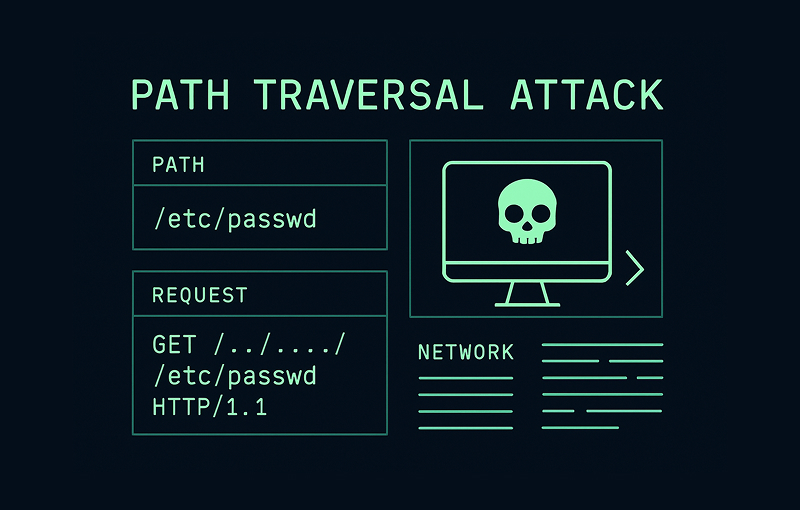
Path Traversal Attack Your Guide to CRA Compliant Security
A path traversal attack, sometimes called directory traversal, is a classic web security vulnerability that lets an attacker read—and in some cases, write to—files they should never be able to reach. It’s a simple but powerful trick. Attackers pull this off by manipulating file paths using the “dot-dot-slash” (../) sequence. Think of ../ as a…
-
Your Guide to Cross Site Scripting Attacks and Prevention
Cross-site scripting, or XSS, is one of the most persistent and damaging vulnerabilities plaguing the web. It’s a sneaky type of attack where a threat actor injects malicious code, usually JavaScript, into a legitimate website. When an unsuspecting user visits that site, their browser executes the script, believing it’s part of the trusted content. The…
-
A Practical Guide to SQL Injection Test Labs and Vulnerability Hunts
A SQL injection test is a security procedure we use to find vulnerabilities in an application’s database layer. It’s all about sending carefully crafted, malicious SQL queries to an input field—like a search bar or login form—to see if the application will blindly execute them. If it does, an attacker could potentially expose, manipulate, or…


CRA Documentation: how to build audit-ready evidence for the EU Cyber Resilience Act
CRA Documentation is the set of technical and organizational artifacts used to demonstrate that a product with digital elements meets the EU Cyber Resilience Act (CRA) expectations. It covers how security is designed, implemented, tested, maintained, and improved throughout the product lifecycle, with a strong emphasis on traceability and repeatability.
This page collects practical guidance and related posts to help teams define a documentation baseline, keep evidence current across releases, and reduce compliance overhead by integrating documentation into existing engineering workflows.
Why CRA Documentation matters
Under CRA, being secure is not sufficient. Organizations should be able to show structured proof of how risks are assessed, how controls are applied, how vulnerabilities are handled, and how updates are delivered over time. Strong documentation reduces ambiguity, accelerates internal reviews, and improves readiness for customer and regulatory scrutiny.
Who owns CRA Documentation
CRA Documentation typically spans multiple teams. Product and engineering own architecture and delivery evidence, security owns control definition and risk governance, and support or operations own vulnerability intake and update processes. A single accountable owner is recommended to keep the evidence set consistent and versioned.
What CRA Documentation typically includes
In most organizations, documentation can be structured into a small number of evidence domains. The exact set depends on your product risk profile, but the goal is consistent: prove that security is systematic and maintained across the lifecycle.
Product security design and risk management
- Security requirements and assumptions
- Architecture overview with trust boundaries
- Threat models and mitigation decisions
- Risk assessments and risk acceptance records
Secure development lifecycle evidence
- Secure coding standards and review practices
- CI/CD security gates and release criteria
- Change management and traceability between requirements and releases
- Access control model for repositories and build systems
Security testing and validation
- SAST/DAST configurations and results summaries
- Dependency scanning and container scanning outputs
- Penetration test reports and remediation tracking
- Verification evidence for critical fixes
Vulnerability handling and post-market activities
- Vulnerability intake and triage workflow
- Internal remediation SLAs and escalation paths
- Coordinated disclosure process and communication templates
- Security update and patch policy, including supported versions
Supply chain and component visibility
- Component inventory and dependency governance
- SBOM where applicable and processes to keep it current
- Third-party risk assessment approach for critical suppliers
- Evidence of response capability for upstream vulnerabilities
How to operationalize CRA Documentation without creating bureaucracy
The most sustainable approach is to treat documentation as a product of normal delivery workflows, not as a separate compliance project. This means embedding documentation outputs into your engineering toolchain and defining lightweight ownership and review cadences.
Documentation principles that reduce long-term effort
- Version everything per release and link artifacts to a specific product version
- Prefer automation for evidence capture (CI logs, scan exports, release checks)
- Use a single evidence index that points to source-of-truth documents
- Define a minimum baseline and expand only where risk justifies it
Recommended structure for a CRA Documentation “evidence pack”
- Overview and scope statement for the product/version
- Architecture and threat model package
- Security testing bundle with summaries and raw outputs
- Vulnerability management policy and operating runbooks
- Support and security update policy (including end-of-life rules)
- Supply chain evidence (inventory, SBOM where applicable, third-party notes)
Metrics to keep CRA Documentation credible
- Remediation time by severity
- Testing coverage across repositories and release pipelines
- Update cadence and supported-version adherence
- Recurring vulnerability classes and preventive actions
Related posts and resources on CRA Documentation
This section is designed to host posts that help teams build, maintain, and audit CRA Documentation efficiently.
Documentation baselines
CRA Documentation checklist: minimum evidence for audit readiness
A baseline list of artifacts most teams need, with a focus on traceability, versioning, and low-effort maintenance.
Evidence automation
Automating CRA Documentation from CI/CD and security tooling
How to capture test results, scans, and release gates automatically and centralize evidence without duplicating work.
Vulnerability and updates
CRA Documentation for vulnerability handling: proving your process works
What to document about intake, triage, remediation, validation, and communication, and how to keep it current as issues evolve.
Supply chain
SBOM governance as CRA Documentation: keeping component evidence current
How to manage SBOM and dependency evidence in a way that stays accurate across frequent releases.
Audit readiness
Building a CRA evidence pack that auditors can navigate
How to structure an evidence index, reduce ambiguity, and make it easy to confirm compliance per product version.
Download free CRA Checklist 2025
The definitive CRA checklist for assessing your organization’s readiness for the Cyber Resilience Act.
By submitting this form, you accept our Terms and acknowledge that Regulus will process your data to send the checklist. For more details, see our Privacy Policy.