
SCM Tools
-

A Complete Guide to Spring Boot Versions for 2026
Getting a handle on Spring Boot versions is fundamental to keeping your application secure, supported, and ready for regulations like the EU’s Cyber Resilience Act (CRA). Each version family, whether it’s 2.x or 3.x, comes with a specific support lifecycle. If you’re running an outdated version, you’re exposing your product to known, unpatched security vulnerabilities.…
-
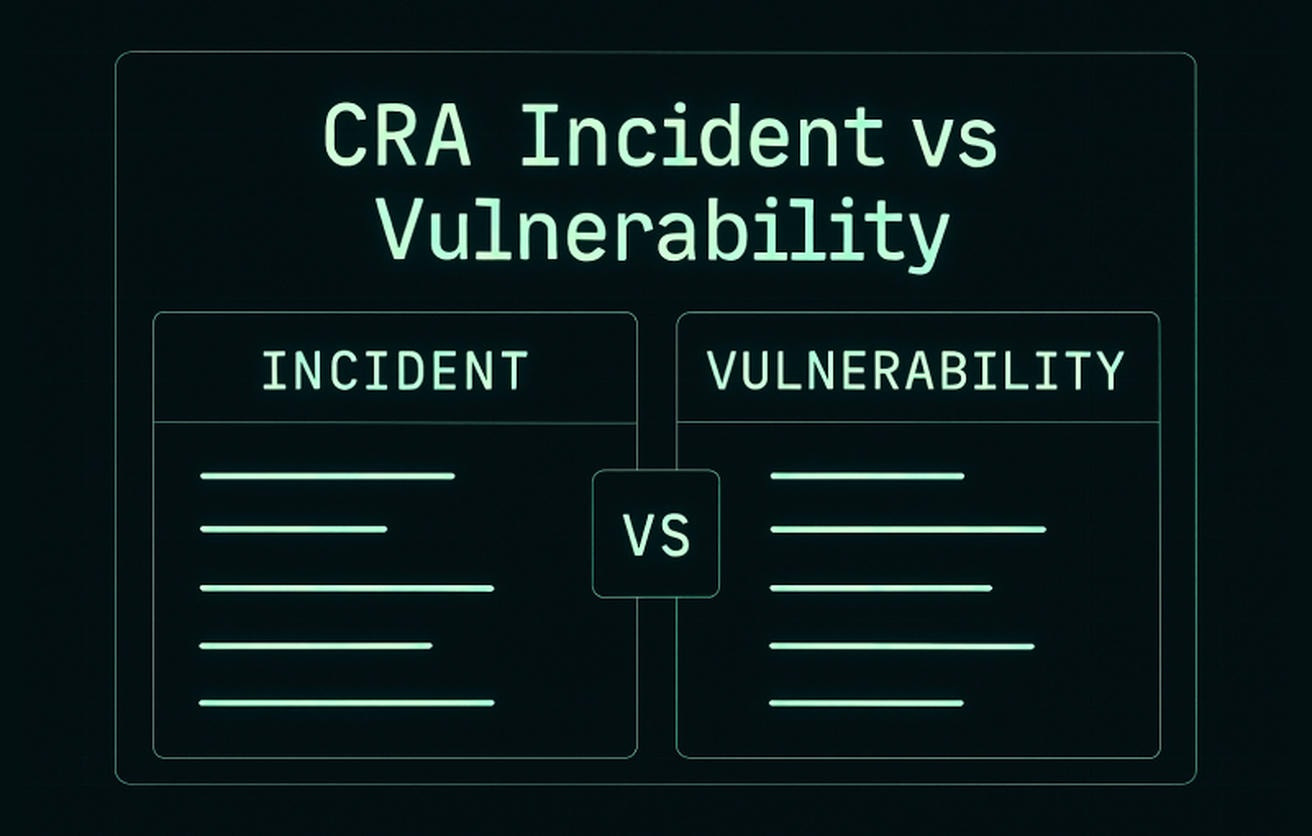
CRA Incident vs Vulnerability Definition: A Practical Guide for 2026
Under the Cyber Resilience Act (CRA), the core difference between a vulnerability and an incident boils down to potential versus actual harm. A vulnerability is a security flaw that could be exploited, representing a potential risk. An incident, on the other hand, is a security event that has actually compromised your product. Decoding the CRA’s…
-

CRA exploited vulnerability reporting 24 hours: A 2026 Practical Guide
The Cyber Resilience Act (CRA) introduces a strict CRA exploited vulnerability reporting 24 hours deadline. This isn’t just guidance; it’s a legal obligation under Article 11 that transforms product security into a race against the clock the moment you learn a flaw is being actively exploited. Decoding The CRA’s 24-Hour Reporting Mandate The Cyber Resilience…
-

Your Guide to the GitLab Container Registry
The GitLab Container Registry is more than just a place to store Docker images; it’s a private Docker image registry built right into your GitLab projects. It provides a secure, integrated home for your container images, connecting them directly to your source code and CI/CD pipelines. Understanding the GitLab Container Registry Instead of thinking of…
-

A Guide to CRA Reporting Obligations Article 14
If you sell digital products in the EU, the Cyber Resilience Act’s Article 14 is about to change your world. It introduces strict, mandatory reporting obligations for manufacturers, moving vulnerability disclosure from a voluntary practice to a legally binding requirement. Under these new rules, you must notify authorities about any actively exploited vulnerability within 24…
-
How to Build a CRA Compliance Evidence Pack
A CRA compliance evidence pack is the collection of documents and records you’ll use to prove your product meets the EU’s Cyber Resilience Act security standards. Think of it as the complete technical file that validates your CE marking, containing everything from risk assessments to vulnerability logs. It’s the official proof of your due diligence…
-

CRA implementation guidance European Commission: Simple Steps to Compliance
The European Commission’s Cyber Resilience Act (CRA) has moved from theory to reality for manufacturers. With the official implementation guidance now published, there’s a phased timeline mapping out the path to compliance. Key obligations, like vulnerability reporting, are set to kick in as early as 2026, with full enforcement landing in late 2027. Decoding the…
-

CRA standardisation request CEN CENELEC ETSI: A 2026 compliance guide
The CRA standardisation request is the European Commission’s official instruction to Europe’s main standardisation bodies: CEN, CENELEC, and ETSI. In simple terms, it’s the kick-off for creating the detailed technical rulebooks—called harmonised standards—that will define how manufacturers can meet the legal duties of the Cyber Resilience Act. Following these standards will give you a clear,…
-

Your Guide to CRA Common Specifications and EU Market Access
Think of CRA common specifications as the EU’s official technical manual for digital product security. They are detailed technical standards drafted by the European Commission, which become legally mandatory whenever official harmonised standards aren’t available or suitable. These rules exist to ensure that all ‘products with digital elements’ meet a consistent, enforceable cybersecurity baseline before…
-
Your Guide to CRA Harmonised Standards for Full Compliance
Harmonised standards under the Cyber Resilience Act (CRA) are your most direct, pre-approved path to proving a product meets its legal requirements. Think of them as certified recipes for cybersecurity; follow a standard that’s listed in the Official Journal of the European Union, and you gain a legal “presumption of conformity.” This single benefit can…
-
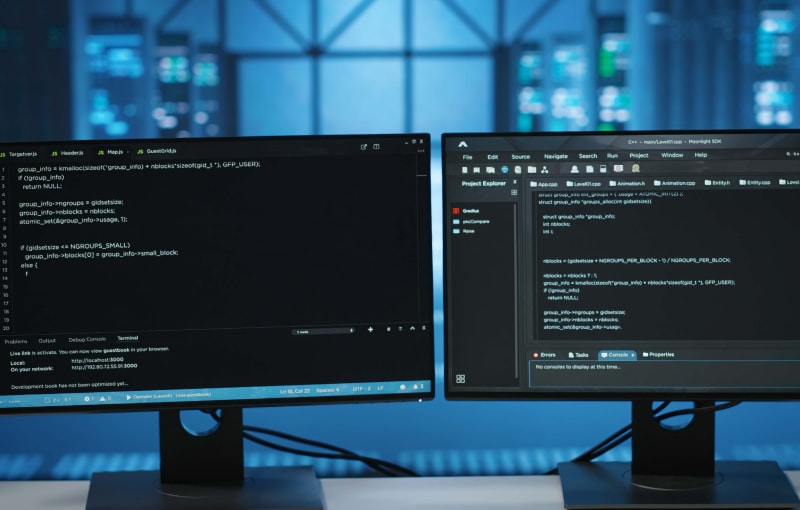
Your Guide to the SonarQube Maven Plugin in 2026
For any team running on Maven, the SonarQube Maven plugin is the most direct way to embed continuous code analysis into your build lifecycle. It lets you run mvn sonar:sonar to find bugs, vulnerabilities, and code smells without needing a separate scanner installation or complex CI/CD scripts. It is, quite simply, the native way to…
-

A Developer’s Guide to Spring Boot Actuator
Spring Boot Actuator is a sub-project of Spring Boot that adds production-ready features to your application. It provides built-in HTTP endpoints to monitor and manage your service, giving you immediate insights without writing complex custom code. What Is Spring Boot Actuator and Why You Need It Imagine deploying a new application into production. How do…
-

Open South Code: open south code essentials for EU compliance in 2026
If you’ve stumbled here looking for “open south code,” you’re in the right place, even if the term isn’t quite right. You’re most likely looking for information on open source code, a cornerstone of modern software development. But that typo also points to something real and increasingly important: the OpenSouthCode conference in Malaga, a major…
-

A Guide to AWS Secrets Manager for EU Compliance
Think of your application’s database credentials and API keys as the master keys to your business. Hardcoding them directly into your source code is the digital equivalent of leaving these keys under the doormat—a convenient but dangerously outdated practice. AWS Secrets Manager is the secure digital vault built to fix this, protecting credentials, managing their…
-
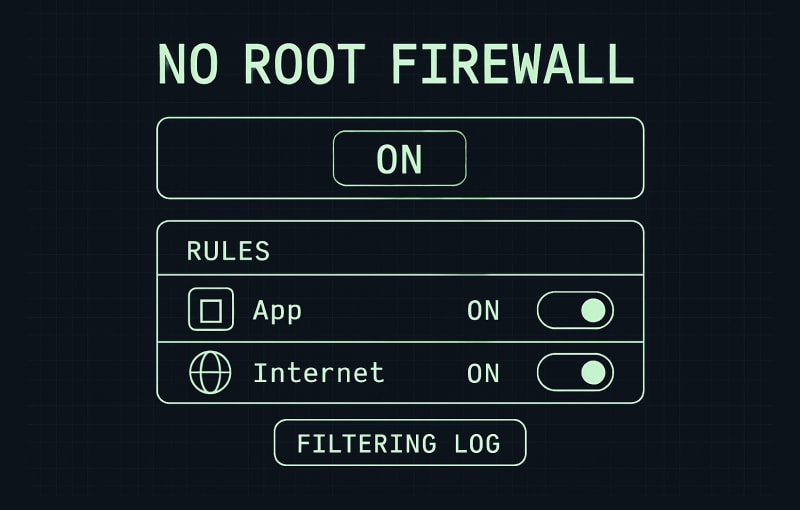
No Root Firewall Guide for IoT and Embedded Systems
A no root firewall acts as a dedicated security guard for individual applications, controlling their internet access without needing the ‘master keys’ to the entire system (root privileges). This is a major shift away from traditional firewalls that demand deep system integration, offering a far more contained and secure way to manage network traffic—especially for…
-

A Developer’s Guide to the GCC -o Option
The gcc -o option is a fundamental flag that tells the GCC compiler exactly what to name your output file. Instead of letting the compiler fall back to a generic, easily-overwritten file named a.out, this flag gives you complete control. It’s how you produce a clearly named executable or other build artefact. Why Is the…
-

Penetration Testing as a Service: Secure Your Product for CRA Compliance
For product manufacturers and IoT vendors, the ground has shifted. The old approach of a single, annual security check just doesn’t cut it anymore. Regulations like the EU’s Cyber Resilience Act (CRA) now demand continuous vigilance, forcing a move to more modern, agile security practices. This is where Penetration Testing as a Service (PTaaS) comes…
-
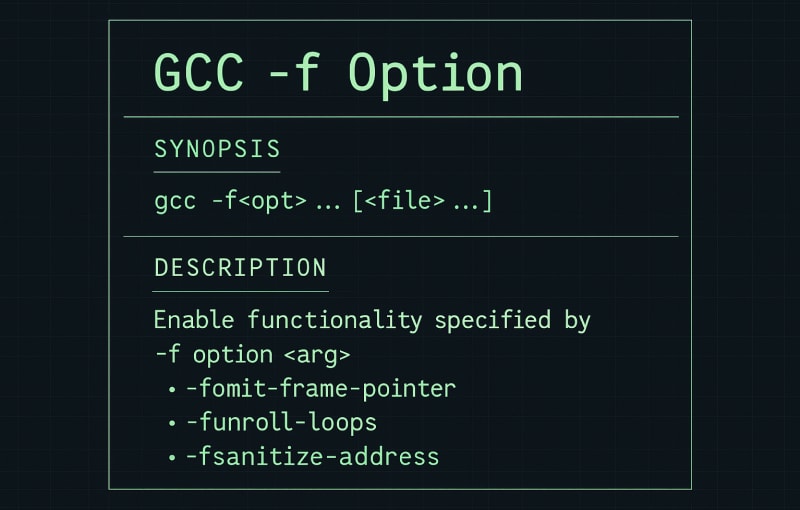
A Developer’s Guide to the GCC -f Option
The gcc -f option isn’t a single command. It’s a massive family of flags that give you direct, fine-grained control over how the GNU Compiler Collection (GCC) generates code. These options are the tools of the trade for any serious developer wanting to go beyond the defaults. With -f flags, you can influence everything from…
-

Unlock Faster Builds with the gcc -pipe option
Ever heard of the gcc -pipe option? It’s a simple flag you can pass to your compiler, but it has a surprisingly big impact. In short, it tells GCC to use memory for all the intermediate steps of compilation instead of writing temporary files to your disk. This simple change means data gets passed directly…
-

A Guide to Black Duck Software for EU Compliance
At its core, Black Duck software is a powerful security tool that acts like a building inspector for your code. It automates the process of finding, inventorying, and analysing all the third-party and open-source components used in your applications—a process known in the industry as Software Composition Analysis (SCA). What Is Black Duck and How…


Download free CRA Checklist 2025
The definitive CRA checklist for assessing your organization’s readiness for the Cyber Resilience Act.
By submitting this form, you accept our Terms and acknowledge that Regulus will process your data to send the checklist. For more details, see our Privacy Policy.